What You Can Expect From a 3D-Printed PlayCase (And My Promise to You)
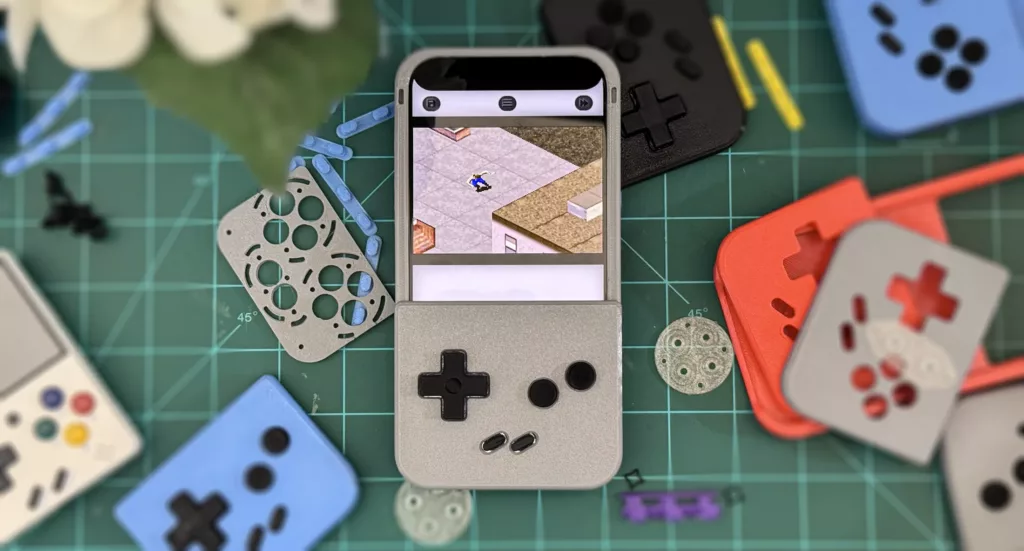
Over the last few years of selling PlayCase, I’ve learned that opinions about its quality are completely split. Some people think it’s great. Others don’t. Most of the negative feedback comes down to one thing: 3D-printed parts.
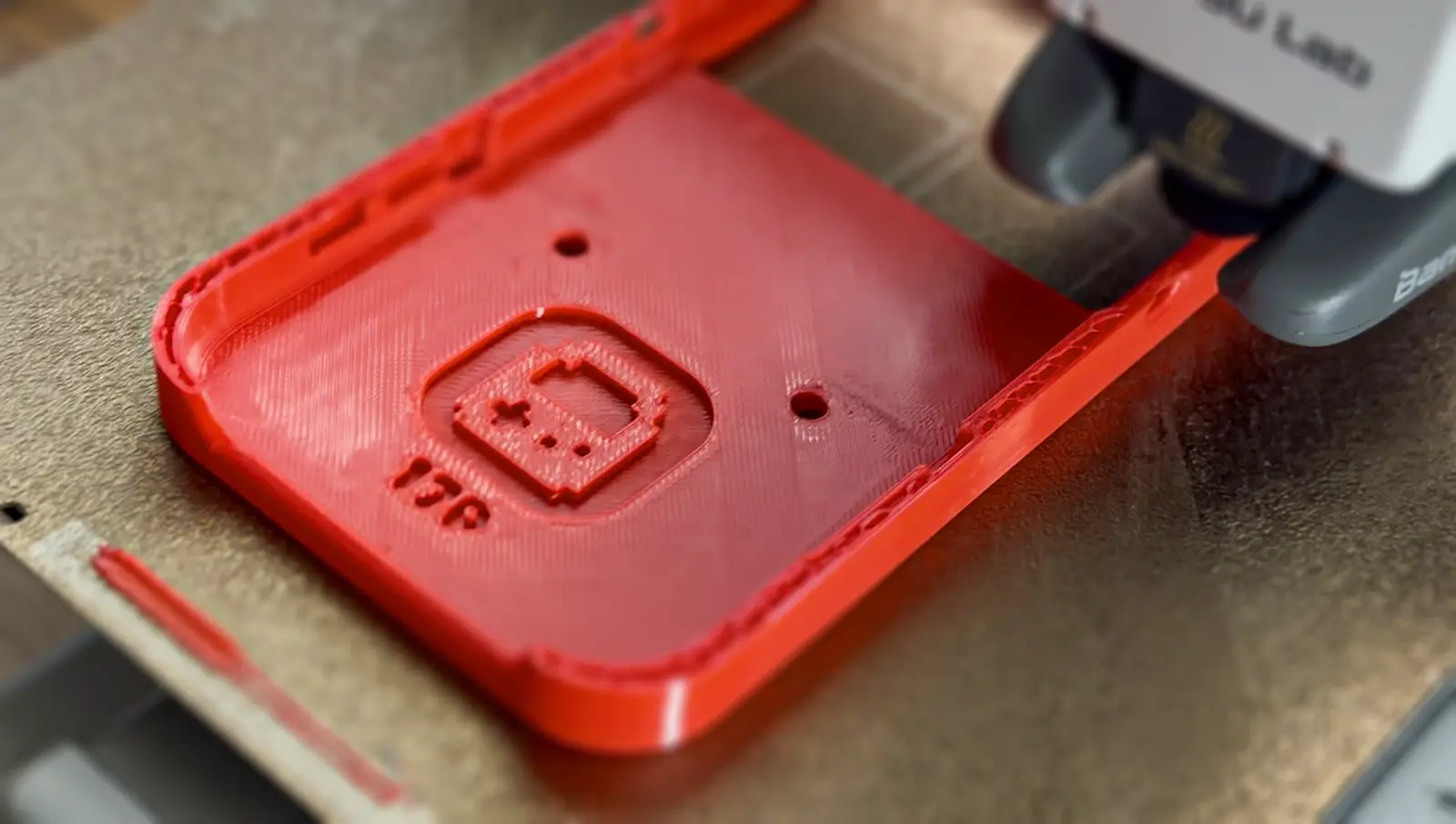
I don’t print at ultra-fine 0.08mm layer heights. In some cases, I use a 0.6 mm nozzle because it’s the right choice for strength and fit. That means the parts look more “printed” than injection-molded, but they work better. It’s a trade-off — function over form.
3D printing has clear advantages: it’s flexible, fast to iterate, and lets me make changes without massive overhead. It also comes with limits: fewer material choices, slower production, and more variability from piece to piece.
People ask me, all the time…
Why 3D print at all? Why not injection mold it? Will it hold up? What happens if something breaks?
This post is here to answer all of that as transparent as I can.
If I had the resources to move to injection molding today, I would. That would open the door to stronger materials, tighter tolerances, and more consistent parts. But getting there takes proof that people actually want the product — and that’s what 3D printing allows me to do.
So, yes — 3D printing is part of the plan, not the end goal. It’s how I can build, sell, and test PlayCase in the real world instead of keeping it as a sketch on a hard drive
The Drawbacks (and What I’ve Done About Them)
Layer Strength
FDM prints are weaker along layer lines. I design around that and print critical parts — like snap-fit pins — separately in PETG, oriented to handle repeated use.
Print Variability
No two prints are exactly the same. Temperature, humidity, and filament all play a role. Every case gets hand-finished and checked before shipping.
Production Time
Each PlayCase takes hours to print. There’s no “batch of 100.” Every one is made one at a time, then cleaned, tested, and boxed.
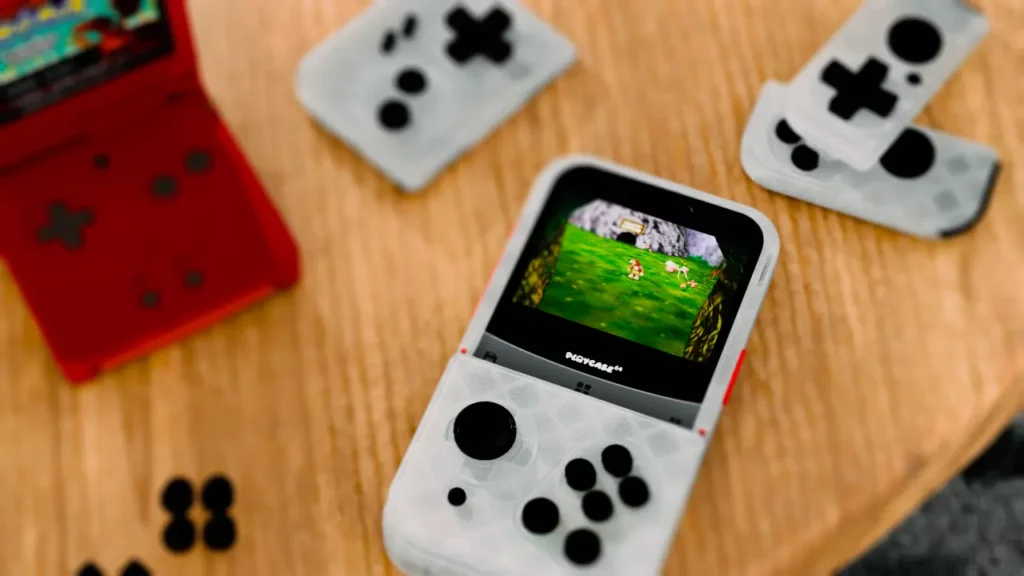
Those limits are why there have been three major PlayCase versions. Each one solves a different problem from the last.
So… Why Sell a 3D-Printed Product at All?
I know I’ve said it 100 times, but the truth is, since the beginning, I’ve making this product for me. Any step I can get that brings me closer to realizing it as a professionally produced product, I’ll take – and being able to share it is a terrific plus.
My Guarantee to Every PlayCase Owner
All purchases are protected under a customer-first Return Policy, but here’s the simple version:
Your satisfaction is my only priority.
I want you to enjoy your PlayCase. But I completely understand if you don’t. And to back that up:
We offer refunds for up to 60 days after delivery.
See more information for domestic and international support on our Return Policy page.
If something breaks under normal use, I will make it right.
PlayCase ships with spare parts because wear is expected in precise 3D-printed mechanics.
Contact us for any special cases.
Life happens. Packages get tossed around. If you experience an unusual issue, reach out — I’m here to help and will work with you individually.
I can’t promise indestructibility, but I can promise support, transparency, and equity.
Why I Need Your Support — And What Comes Next
PlayCase began as an idea I had when I was 15 years old in 2007. It stayed in my head for almost two decades until accessible 3D printing technology finally made it possible to bring it to life.
Today, PlayCase is still fully 3D-printed — not because that’s the final form, but because it’s the only way to validate demand, test improvements, and build a community around a product that deserves to exist.
The goal isn’t to stay 3D-printed forever.
The goal is to prove that enough people want PlayCase so I can take it to the next level:
• Professional design and tooling
• Stronger, more reliable production materials
• Larger-scale manufacturing
Every purchase, every piece of feedback, and every bit of support helps move PlayCase closer to becoming the best version of itself — something that eventually transcends hobbyist production and becomes a fully realized consumer product.
Thank You for Being Part of This Journey!
If you’ve supported PlayCase, shared feedback, followed the project, or even just liked what you’ve seen — thank you. You’re helping make a long-standing idea come to life for real, not hypothetically.
And with PlayCase v3, I’m more confident than ever that we’re getting there.
Here’s to the next level — together.
– Buppin