
Retro Dodo Wrote About PlayCase. Here Are the Answers (and an Open Invite)
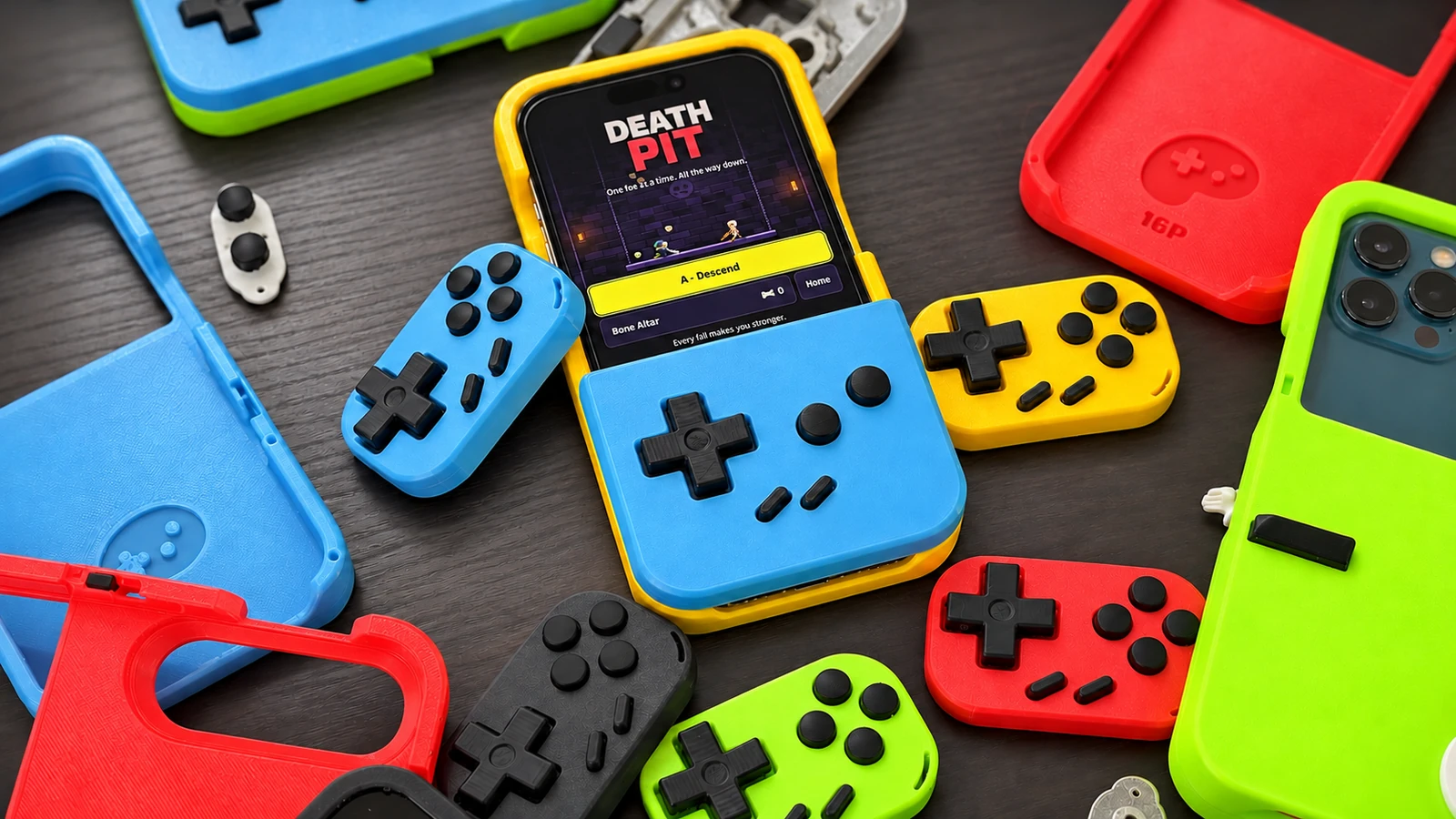
Retro Dodo, one of the bigger retro handheld sites out there, wrote about PlayCase. First off: thank you, Brandon. We’ve been talking for a while, and coverage from a site that size means a lot to a one-person project like this.
He’s also upfront that he hasn’t had one in his hands yet, and a few of the article’s points are guesses. That’s fair, because some of the answers weren’t easy to find on our site, which I hope are corrected with the new version. If not, let me know. In the meantime, because he asked:
“How do the triggers work?”
The article guesses at rubber bands wrapping around the inside of the case to press the screen. Good guess, but not quite. When you pull L or R, the trigger completes a conductive path using conductive material – from your finger, around the case, through contact points that carry the electricity to the screen. Your phone sees your finger touching the screen, exactly like a tap, and the game reads it as a shoulder button. When you relax the trigger a rubber band pulls the trigger’s internals down to break the connection.
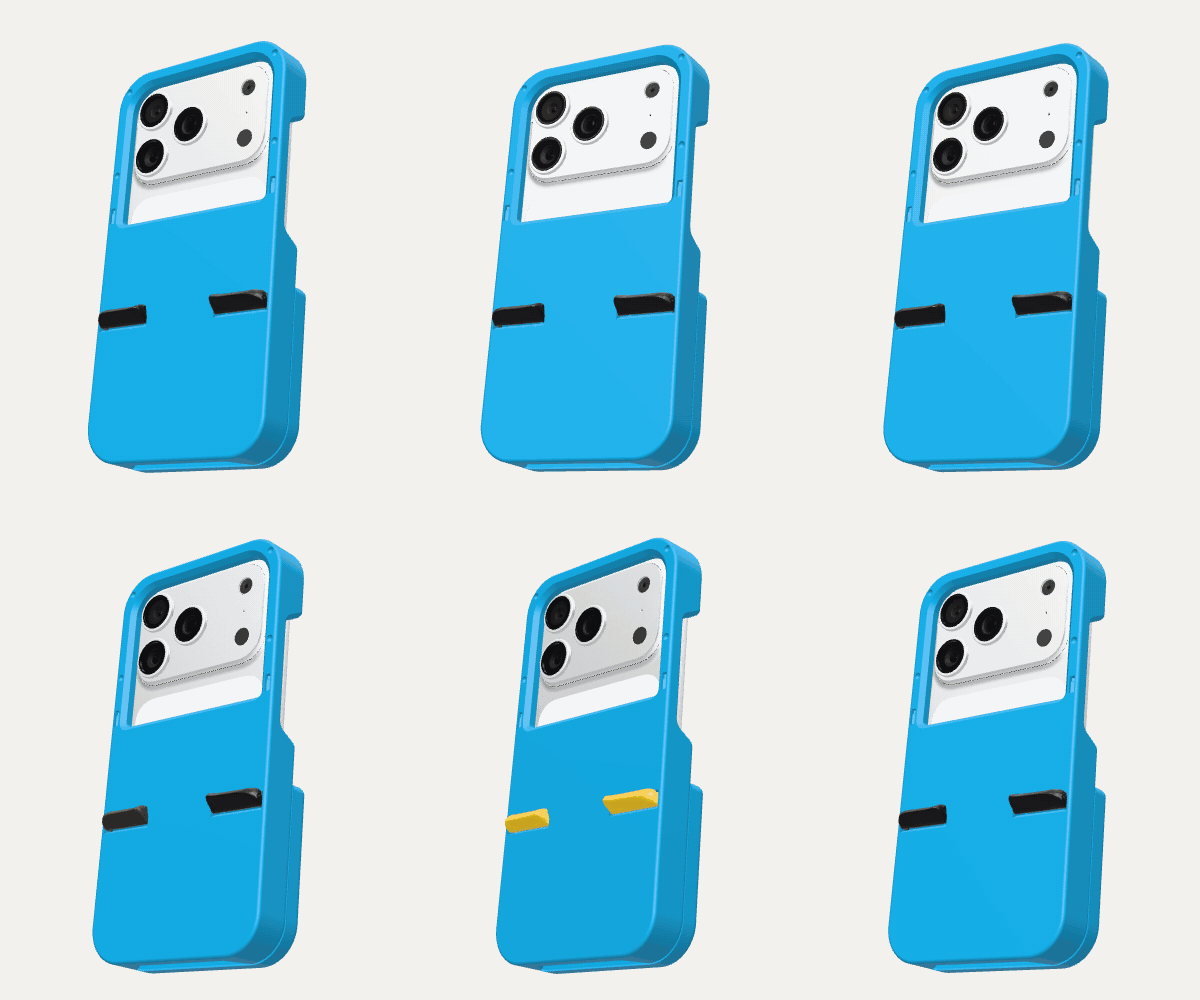
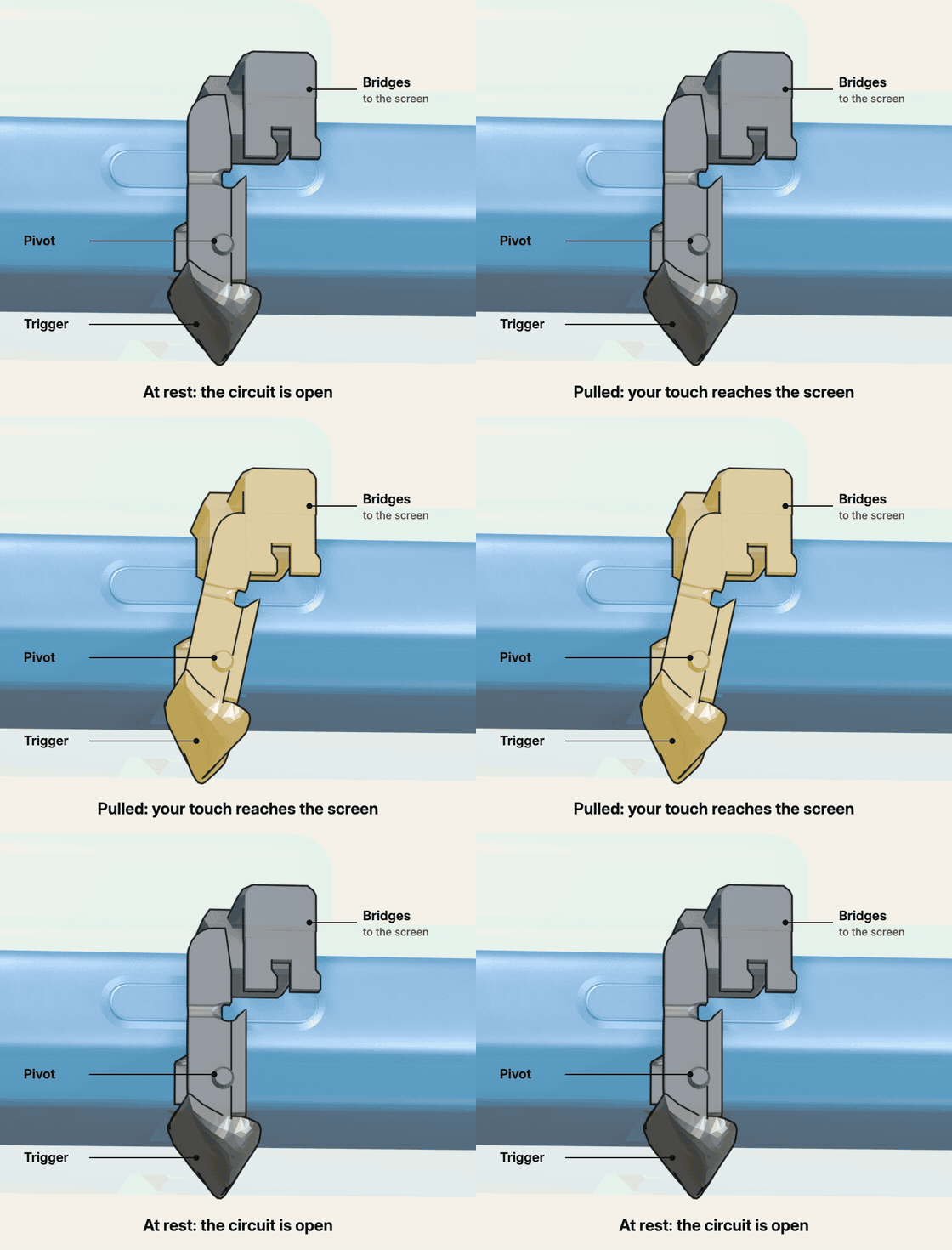
Same principle as the face buttons: no Bluetooth, no batteries, no pairing. It’s (almost) magic.
He also pointed out that the “learn more” link under the triggers section didn’t go anywhere. He was right. The site has since been rebuilt, and the How It Works section on the homepage now walks through the buttons, magnets, triggers and storage.
“It’s 3D printed.”
Yes, it is, and I’ve never hidden that. It’s the biggest worry in the article: that prints like this feel scratchy, flaky and flimsy, and lack strength. That’s based on Brandon’s experience printing at his own company, GAMENOOK, which presses recycled plastic into aluminum molds. Different products, different processes, so I understand where the doubt comes from.
Here’s what I can tell you without anyone having to take my word for it:
- You will see layer lines. I said so a year ago in What You Can Expect From a 3D-Printed PlayCase. I print for strength and fit, not for a glossy finish. This product is a prototype.
- The parts that take stress are designed for it. Buttons use more material for the print than they have the right to – more plastic, less breakable. The triggers are printed in a way that it can resist the stress of being pulled on constantly. In this latest iteration we replaced physical snap fit clips for magnets, lowering the profile and longevity of a faceplate and its parts lifespan.
- Every case is checked by hand before it ships.
- If something breaks under normal use, I fix it. Doesn’t matter where you are in the world. Spare parts cost a few bucks, and every order gets 60-day refunds in the US. If it isn’t for you, send it back.
And the people who actually own one seem to agree. “Button clicks are very responsive and the build quality is very impressive,” wrote Mexes, a verified owner. You can read every review here.
3D printing is how PlayCase gets made today. It isn’t the end goal. It’s how a product like this exists at all before anyone invests in tooling, and how it’s gotten better through three (or is it now four?) major versions.
“A sprinkling of Gen-AI on the website.”
Fair hit, and I heard it. The product images on the site now and always have been renders (that I learned how to make myself in the process) of the 3D models PlayCase is printed from. As a creative professional by day, and a digital necromancer at night with the goal to make cool things, I feel no shame collaborating with AI.
In fact, PlayCase Arcade all starts with ideation through the collaboration with AI. As it grows I hope to have opportunities to rebuild and improve on the experience. If you don’t think I check my code and have the goal of creating an end product that isn’t slop, you’d be mistaken.
What he got right
Plenty. The pricing is accurate: a case and a faceplate runs $29.98 to $34.98. It fits iPhone and the Galaxy S26. It works with Delta, Manic Emu, and more – any emulator with *.deltaskin support have built-in PlayCase support). And I’m glad the repairability and the working shoulder buttons came through, because those are the two things I care most about. And, as always, the mass-produced alternatives don’t have back buttons.
The invite stands
Brandon, the review sample is still yours. Put it on your phone, play some Pokémon, Megaman, maybe even join the Playcase Arcade beta to experience what your phone feels like with real triggers and an authentic experience driven by passion and true care, and tell everyone exactly what you think. If it’s flimsy, say so. If it isn’t, I’d love for your readers to hear that too.
Everyone else: you don’t have to take his guess or my word for it. Try one, and if it’s not for you, you’ve got 60 days.
– Buppin
Happy gaming!
P.S. I’m just gonna put this here. Coming soon!


Comments
01Leave a comment